Today, we’re diving into the progression of the forehand volley. This can be a bit tricky for new players, but with the right approach, you’ll nail it in no time.
Understanding the Basics
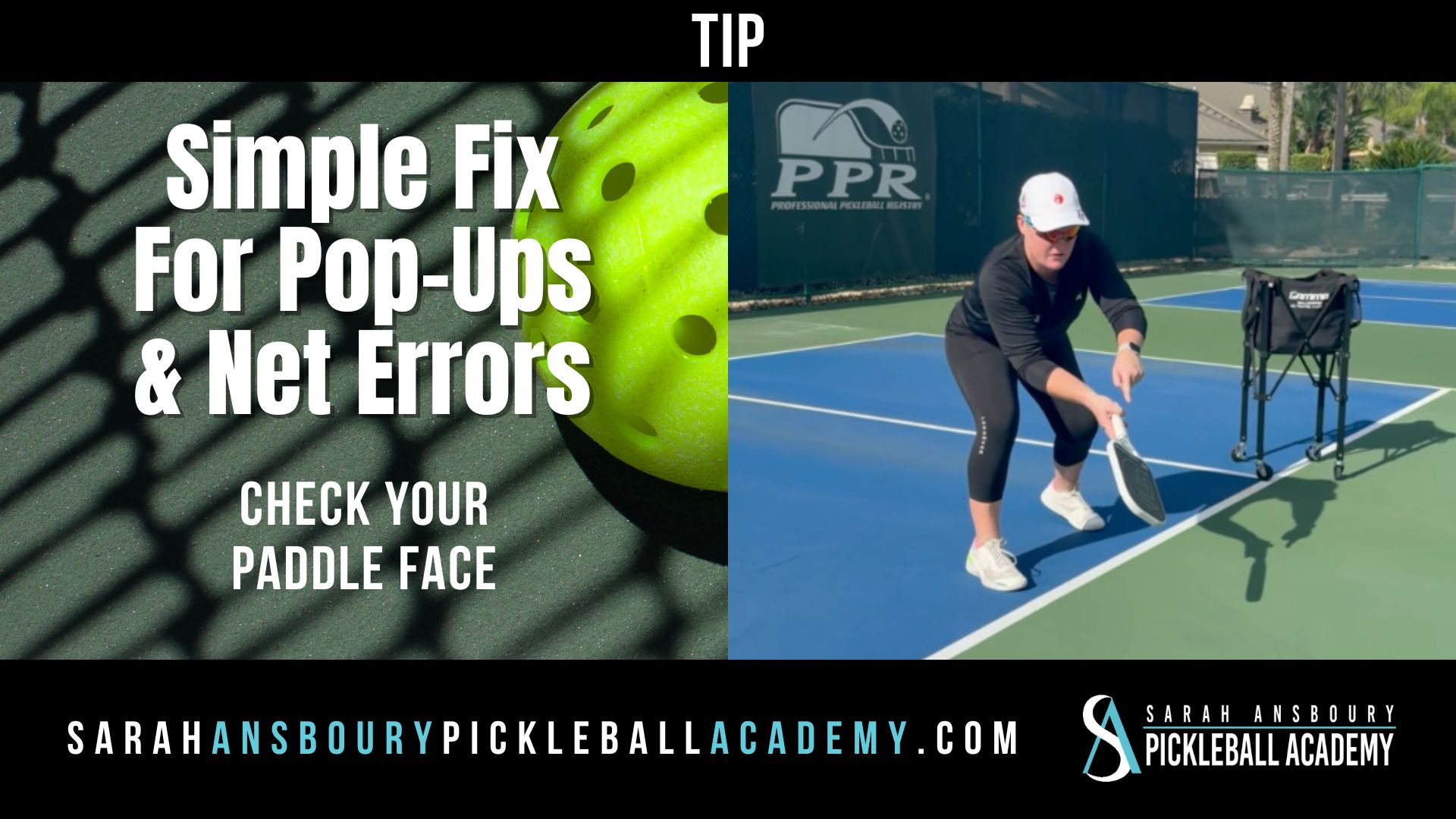
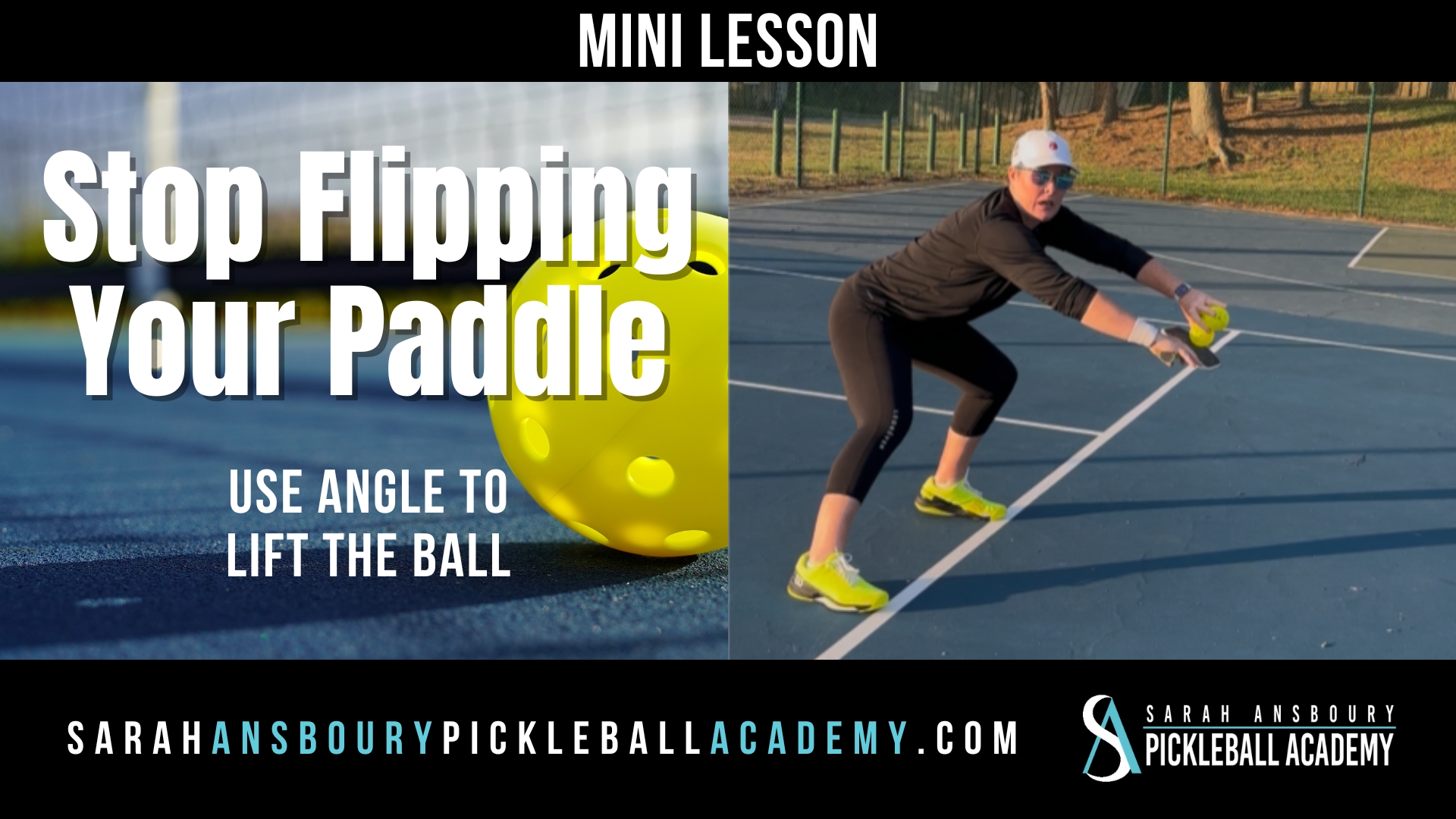
First, let’s clarify the difference between a dink and a volley. A dink is a low to high motion, while a punch volley typically goes from high to low. The key difference is getting the paddle’s tip on top of the ball, which engages the shoulder effectively.
The Shoulder Engagement
When we toss a ball, we often use our wrist or elbow, but for a successful volley, engaging the shoulder is crucial. Here’s how to start:
- Ready Position: Begin in a ready position.
- Step and Turn: Step and turn your body without any additional motion. Think of simply touching the ball rather than hitting it.
- Toe Turn and Shoulders: As you turn your toe, align your shoulders for the shot.
Adding the Ball
Now, let’s incorporate the ball into this motion. Always keep your hands up together, with your left and right hand moving in unison. Avoid having one hand down and the other up.
- Hands Up: Maintain an upward motion with both hands together.
- Touch the Ball: Focus on touching the ball with your paddle instead of hitting it. This prevents exaggerated backward motions.
Practicing the Motion
Practice the motion without the ball first. Mimic the motion, keeping your head up. Once comfortable, add the ball and just touch it with the paddle.
- Push and Freeze: Gradually push the ball deeper and freeze in position. Count “one, two, three” before returning to the ready position.
- Repeat: Repeat the “one, two, three” sequence to build consistency.
Progressing to Low to High Motion
As you advance, integrate a low to high motion into your forehand volley:
- Elbow Down, Hands Up: Keep your elbow down and hands up.
- Out and Away: Think about moving out and away from the body, rather than bringing the ball in close like in tennis.
Final Tips
- Focus on Simplicity: Keep the motion simple and controlled.
- Engage the Shoulders: Use your shoulders to drive the motion.
- Consistent Practice: Consistently practice these steps to build muscle memory and improve your forehand volley.
Remember, mastering the forehand volley is about patience and practice. Keep these tips in mind, and you’ll see improvement in your game.