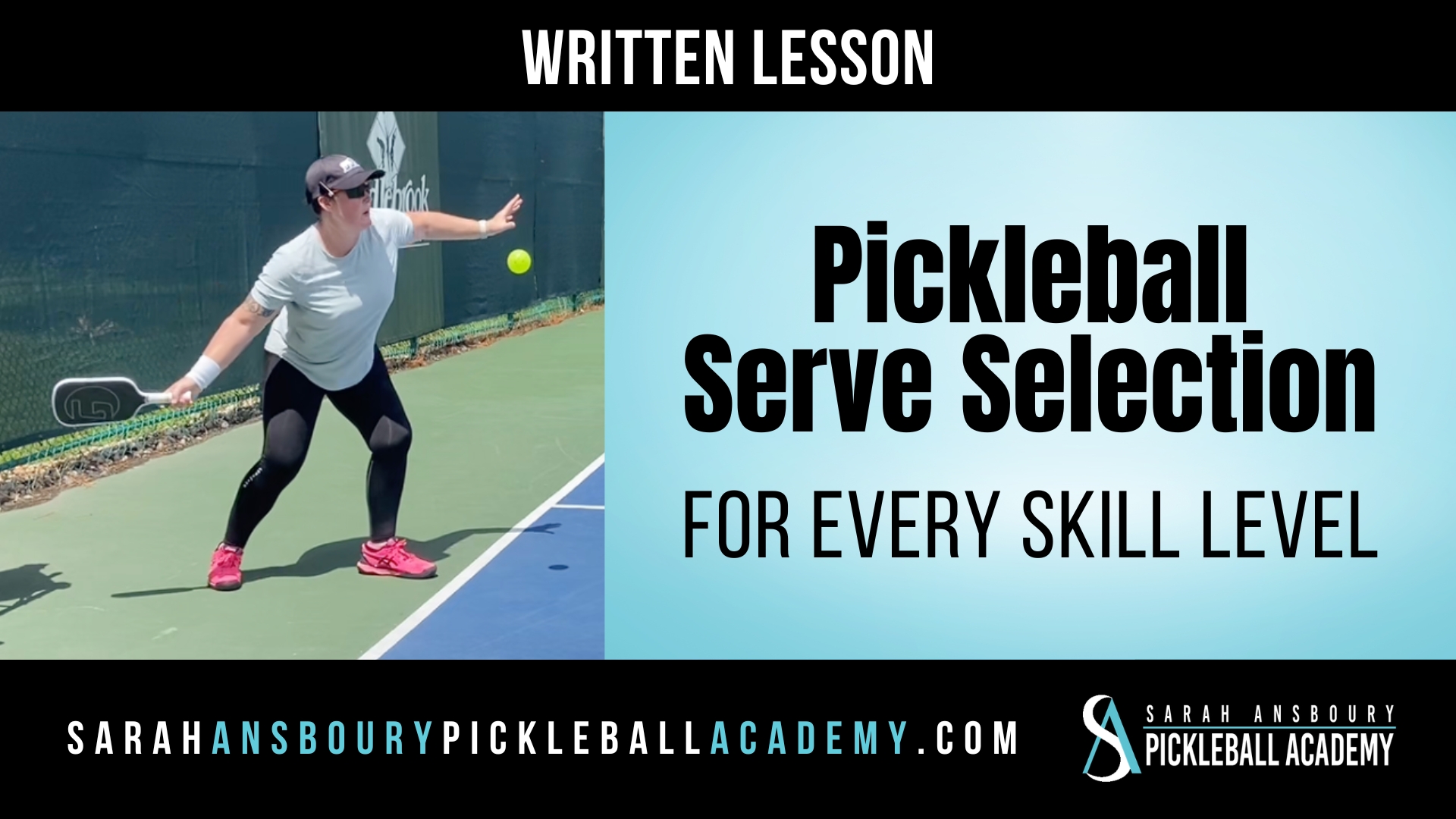
Your pickleball serve is the only moment in a match where you have total control over the ball. It’s your opening statement. When you step behind the baseline, you aren’t just starting a rally. You’re setting the tone for the entire point. A weak serve invites a punishing return. A great one puts your opponent on their heels immediately. You can improve your game by treating this shot as a tactical weapon rather than a mere formality. It starts with consistency and confidence. Master the serve, and you master the start of every point.
What Are the Current Pickleball Legal Serve Rules?
Rules change as the game grows. You must stay updated to avoid losing points on technicalities. The pickleball legal serve rules were designed to keep the game accessible and prevent the serve from becoming too dominant. They ensure the ball remains in a defensive or neutral state during the start of play. You have two main choices: the volley serve or the drop serve. Both require the ball to land within the diagonal crosscourt service area. If it hits the kitchen line, it’s out. But if it clears the line and the net, you’re in business. Understanding these boundaries helps you play with more confidence.
The serve must be hit with an underhand motion. This isn’t tennis. You can’t smash it from above your head. The ball must be hit into the air before it bounces, or immediately after a natural drop. You cannot throw the ball downward to create more bounce. You cannot spin the ball with your hand before hitting it. These rules keep the playing field level for everyone. They encourage a game of strategy over raw, unreturnable power. Follow them to keep your matches fair. It’s about proven fundamentals. These basics never go out of style.
Understanding the Volley Serve Requirements
The volley serve is traditional. Most pros still use it. To keep it legal, you must follow three specific physical requirements during contact. First, your arm must move in an upward arc. This prevents the “tomahawk” or downward smashing motions seen in other sports. Second, the highest point of your paddle head must be below your wrist. This “paddle head down” position is non-negotiable. Third, contact with the ball must happen below your waist. Your waist is generally considered the level of your belly button. If you ignore these, you risk a fault. Keep your Paddle Finish Toward Target to ensure a clean, legal follow-through.
Balance is key here. You need a stable base. Stand with your feet shoulder-width apart and your knees slightly bent. As you swing, keep your eyes on the ball. Don’t rush the motion. If you feel rushed, breathe. A calm mind leads to a steady hand. Many players struggle with the height requirement when they get excited. They reach too high. They swing too flat. Focus on that upward arc every single time. It’s the foundation of a pickleball serve that stays legal under pressure. Your opponents will respect a clean technique.
How to Hit a Legal Pickleball Drop Serve
The drop serve is simpler. It was introduced to help players avoid the complexity of the volley serve rules. To perform this, you simply let the ball fall from your hand or paddle. You don’t toss it up. You don’t shove it down. You just let gravity do the work. Once the ball hits the ground, you can hit it however you like. The waist-level and upward-arc rules do not apply here. This freedom makes it the best pickleball serve for beginners. You can take a full swing without worrying about the referee’s whistle.
It’s very reliable. You get a consistent bounce. Because you aren’t hitting the ball out of the air, your timing doesn’t have to be perfect. You can wait for the ball to reach the apex of its bounce. This gives you more time to set your feet. Many people find this style helps them simplify the game. It removes the stress of technical faults. If you struggle with coordination, try the drop serve first. It builds a bridge to more advanced play. You’ll find your rhythm much faster this way.
Pickleball Volley Serve vs Drop Serve: Which Is Better?
Deciding between a pickleball volley serve vs drop serve depends on your goals. The volley serve offers more variety. You can manipulate the ball’s flight path more easily because you’re hitting it before the bounce. It allows for more aggressive angles. Most high-level players prefer it for the sheer speed they can generate. However, it requires much better hand-eye coordination. One small mistake in your toss can ruin the entire shot. It’s a high-reward choice. But it comes with higher risks.
The drop serve is the king of reliability. It’s almost impossible to mess up the “toss” because there isn’t one. You get the same bounce height every time if the court surface is even. This consistency allows you to focus entirely on your target. Some players find they can actually generate more spin on a drop serve. They can “brush” the ball more aggressively since the upward-arc rule is gone. It’s a matter of personal feel. Try both in a practice session. See which one feels more natural in your hand. Believe in the process of experimentation.
Think about the wind. The volley serve is harder in gusty conditions. A toss can blow off course easily. The drop serve is less affected because the ball travels a shorter distance before you hit it. If you play outdoors, having a drop serve in your pocket is smart. It’s a great backup plan. On the other hand, the volley serve keeps the ball lower. A low serve is harder to attack. Each has a place in a holistic strategy. Don’t feel locked into just one style. Switch it up to keep your opponents guessing.
What Is the Best Pickleball Serve for Beginners and Seniors?
Success starts with getting the ball in. For those just starting, the best pickleball serve for beginners is a deep, high-clearance lob serve. You aren’t trying to win the point instantly. You’re trying to force a long return. A deep serve keeps your opponent back. This gives you more time to prepare for your third shot drop. If you hit it short, you’re giving away the advantage. Aim for the back two feet of the service box. It’s the safest way to play.
Focus on the big target. The middle of the service box is your friend. Don’t hunt for the lines yet. You want a 100 percent success rate. Every missed serve is a wasted opportunity. As you gain consistency and confidence, you can start aiming closer to the corners. But for now, just breathe and swing smooth. Use a relaxed grip. A tight hand leads to a jerky motion. Keep your ready position in mind for the moment after the ball leaves your paddle. You must be ready for the return immediately.
The Best Pickleball Serves for Seniors seeking Longevity
Longevity is the goal. The best pickleball serves for seniors prioritize low-impact mechanics. You don’t need to swing like a pro baseball player to be effective. A smooth, pendulum-like motion from the shoulder is better than a flick of the wrist. This protects your joints. It also creates a more predictable ball path. Using your core and legs for power is safer than using just your arm. This is how you improve your game without injury. Efficiency is your best friend on the court.
Strategy beats speed. A slow, deep serve with a bit of height can be very frustrating to deal with. It forces the receiver to generate all their own power. Many players struggle to hit a strong return off a “nothing” ball. By keeping the ball deep, you’re playing offense through placement. You don’t need a pickleball power serve to win matches at the club level. You just need to be relentless with your depth. Stay balanced. Keep your weight moving forward. This simple approach will elevate every player’s understanding of the senior game.
How Can You Develop Aggressive Pickleball Serves?
Once you’re consistent, get mean. Aggressive pickleball serves aren’t just about pace. They’re about making the opponent uncomfortable. You want to take away their time. You want to force them to move their feet. This requires a shift in mindset. You’re no longer just starting the point. You’re trying to earn a short return or a “pop-up.” This allows your team to move to the net faster. It’s the essence of Controlled Aggression. You’re attacking with a plan.
Vary your targets. If you always serve to the same spot, the receiver will get comfortable. Hit a few to the backhand. Then, aim one right at their hip. A serve into the body is very difficult to return cleanly. It jams the opponent. They can’t get a full swing. This is a pro-level tactic you can use at any stage. It’s about improving pickleball serve consistency while adding layers of difficulty. Never let them settle into a rhythm. Keep the pressure on from the very first ball.
How to Develop a More Powerful Pickleball Serve
Power comes from the ground. To hit a pickleball power serve, you must use your entire body. Don’t just swing your arm. Start with your weight on your back foot. As you begin your forward swing, shift that weight to your front foot. Rotate your hips and shoulders toward the target. This “coiling” action creates incredible force. It’s like a spring uncoiling. When done right, the ball explodes off the paddle. Your arm is just the final link in the chain.
Timing is everything. If you swing too early, you lose the power from your legs. If you swing too late, you’ll hit the ball out of bounds. Practice the weight transfer until it feels like one fluid motion. Pickleball Instruction often focuses on the hand, but the feet are more important. Think about pushing off the court. This creates “ground force.” It’s the secret to those heavy, fast serves you see on TV. You’ll play with more confidence when you know you have that extra gear. Just remember to keep your balance throughout the finish.
Mastering the Topspin Pickleball Serve
Topspin is a “cheat code” for depth. A topspin pickleball serve allows you to hit the ball hard and high over the net while ensuring it dives back down into the court. To do this, you need a “low to high” swing path. Imagine you’re brushing the back of the ball with your paddle. This friction creates forward rotation. The air pressure then pushes the ball downward. It’s the most effective way to hit an aggressive serve that stays in. You can swing harder without the ball sailing long.
It’s hard to return. When a topspin ball hits the ground, it kicks forward and upward. This forces the receiver to back up or hit the ball while it’s rising. Both options are difficult. You’ll see many opponents “shank” their returns against heavy topspin. To master this, work on your Paddle Finish Toward Target but high above your shoulder. This ensures you’ve brushed up enough. It takes time to learn how to choose a pickleball serve with spin. But once you do, your game will reach a new level. It’s a hallmark of Pickleball Coaching at the elite level.
Which Drills Improve Your Pickleball Serve Accuracy?
Practice with a purpose. Don’t just hit a bucket of balls aimlessly. Set up targets. Use orange cones or even just extra balls on the court. Place them in the deep corners of the service boxes. Try to hit them ten times in a row. If you miss, start over. This builds the mental toughness needed for real matches. Improving pickleball serve consistency requires this kind of repetitive, focused work. It’s how the pros do it. You should too.
Try the “Deep Third” drill. Imagine the service box is divided into three horizontal strips. Your goal is to keep every single pickleball serve in the furthest strip. If the ball lands short, it’s a “loss.” This trains your brain to prioritize depth over everything else. You can also practice serving from different positions along the baseline. Stand near the centerline for one set. Move to the sideline for the next. This changes the angle of the net. It forces you to adjust your aim constantly. This variety is essential for Pickleball Coach Coaching sessions.
Use a partner for feedback. Have them stand at the baseline and tell you how the ball feels. Is it coming in fast? Is it bouncing high? Sometimes what we feel isn’t what the opponent sees. They can tell you if you’re “telegraphing” your serve. If you always look at your target, you’re giving it away. Practice looking at the ball instead. This keeps your intention a secret. It’s a simple way to improve your game. Real-time feedback is a gift. Use it to refine your Pickleball Lessons.
How to Handle Common Pickleball Serving Mistakes to Avoid?
Mistakes happen to everyone. But common pickleball serving mistakes to avoid are often easy to fix. The most frequent is the foot fault. You must not touch the baseline or the court inside the baseline before you hit the ball. Many players step forward as they swing. This is illegal. Keep your feet behind the line until contact is made. If you struggle with this, start your stance six inches further back. It’s a simple fix that saves you points. Don’t let a “free” point go to the opponent.
Rushing is another killer. You have ten seconds to serve after the score is called. That’s a long time. Don’t feel like you have to hit the ball the moment the referee finishes speaking. Take a second. Breathe. Set your feet. Visualize where you want the ball to go. If you rush, your mechanics fall apart. Your toss becomes erratic. Your swing gets choppy. A calm routine leads to a consistent pickleball serve. Develop a ritual, like bouncing the ball twice, to signal to your brain that it’s time to focus.
Hitting too flat is a tactical error. A flat ball has no “margin for error.” It either clears the net by an inch or hits the tape. If it clears, it often flies out the back. You need an arc. Whether it’s through a lob or topspin, height is your friend. It gives the ball time to drop into the court. Many players try to “win” the point with a bullet serve. This rarely works. Instead, focus on consistency and confidence. A deep, reliable serve is always better than a fast one that hits the net. Simplify the game by playing the percentages.
Ready to Master Your Pickleball Serve Strategy?
You now have the tools. From understanding pickleball legal serve rules to mastering the topspin pickleball serve, you’re ready to dominate. The serve is your chance to dictate the pace. Don’t waste it. Start by choosing the style that fits your physical ability and goals. Use the drop serve for reliability. Use the volley serve for aggression. Always prioritize depth and accuracy over raw speed. This is the path to becoming a formidable player. Believe in your ability to improve.
Take your game further. Record your practice sessions on your phone. Watch your feet for faults. Look at your paddle angle. You’ll see things you never noticed while playing. This self-analysis is a core part of Pickleball Instruction. If you want faster results, join a local clinic. Working with a professional can elevate every player’s understanding of the nuances. They can spot a “hitch” in your swing in seconds. It’s the fastest way to improve your game. You’ve got this.
Stay focused on the fundamentals. Keep your Paddle Finish Toward Target. Maintain your balance. Remember to breathe before every point. These small habits build a championship mindset. Whether you’re a beginner or a seasoned pro, the serve remains your most important tool. Use it with Controlled Aggression. Go out there and show your opponents what you’ve learned. The court is yours. It’s time to play with consistency and confidence!